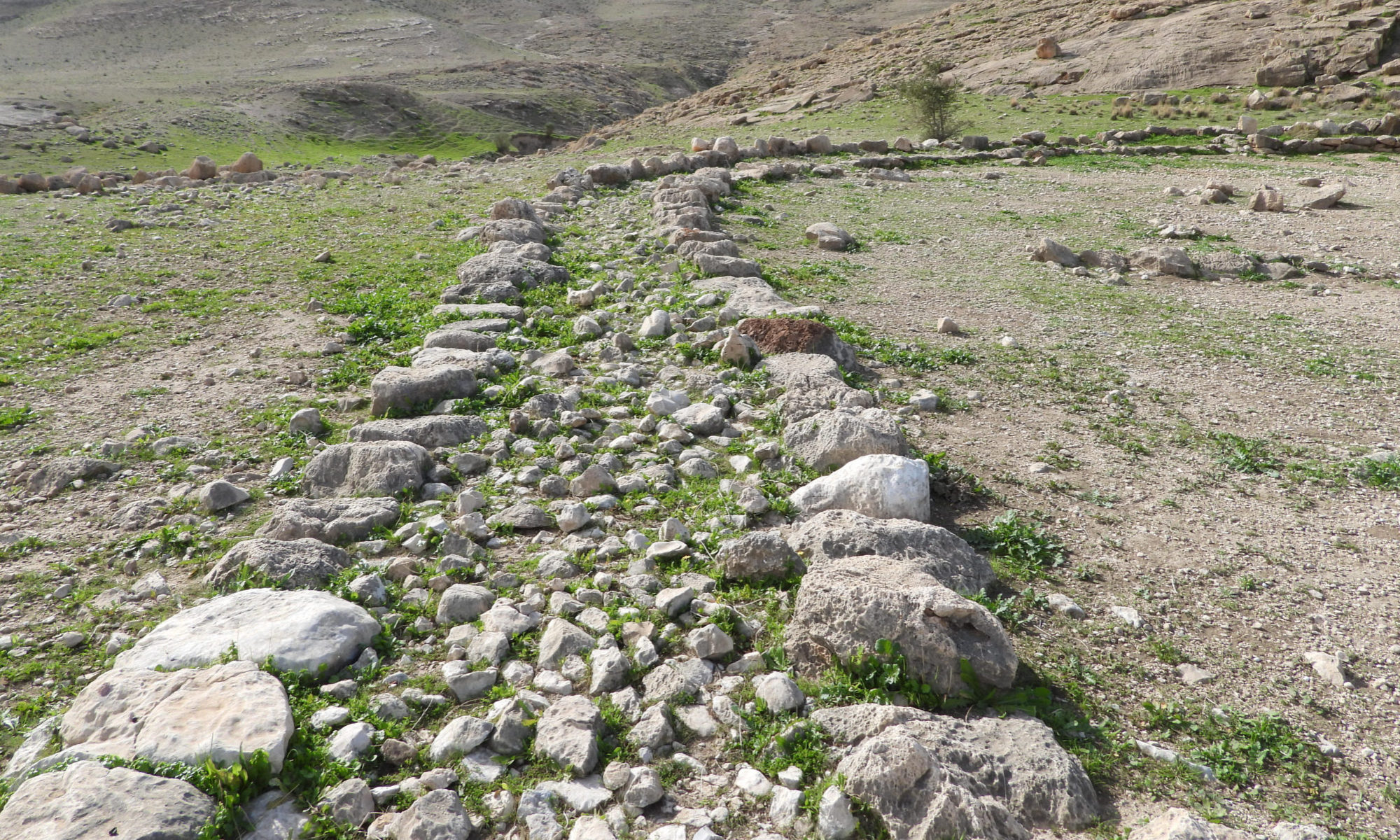
More evidence of the calendar.
All I can tell you is I am Spirit-led. Almost 100% of the time I follow what I am being taught as I hold the bible in my hands and look out at the land in front of me. I HAVE learned to trust this Voice inside of my being that I love so dearly, indeed to the death if it were required. I never want to unlearn to love hearing His whisperings to me; the very depths of me.
And as usually follows, all of my doctrine that seems strange because we have lost track of what was done here in Israel in the days of the ancients, that precious Voice that leads me, rewards my faith with historical evidence.
Proof from writings as far back as 925 BCE that the calendar of Elohim is based on the seven species. Agriculture, here on this land that most of us love.
You know it’s going to be a rich day of study when He starts things off with a bang like this. â¥
Gleaned from the Sefaria Ta’anit
___________
Tikkunei Zohar 31a:2
There are 7 types (of fruits that the land of Israel is praised for), Wheat, Barley, Grapes, Figs, Pomegranates, Olives, **Honey which is the honey of Dates**.
**The Natural History of the Bible**, Daniel Hillel, at 144: Gezer was one of the largest cities during the Canaanite and Israelite periods. Its importance was due to its proximity to the fertile coastal plain and to two important trade routes….A small tablet of soft limestone was discovered at Gezer by R.A.S. Macalister in 1908. On it was an inscription, in Biblical Hebrew (or newly identical Canaanite), listing the sequence of agricultural activities performed during the twelve months of the year. Dated to the third quarter of the tenth century (ca. 925 B.C.E.), the calendar is considered to be the earliest discovered record of ancient Hebrew writing. It has been variously analyzed and interpreted. A plausible possibility is that it was written by a young person as a school exercise (cast in verse, a kind of mnemonic ditty),
Its two months are (olive) harvest **(7 and 8) these are my comments based on the timing of when they were ripe and finishing their harvest in 2020**
Its two months are planting (grain)** (7 and 8, yes, Choreef)**
Its **(? wheat grains more than likely)** two months are late planting **(8 and 9? or 9 and 10?)**
Its month is hoeing up of flax **(12th month according to ta’anit sefaria)**
Its month is harvest of barley** (month one)**
Its month is harvest and feasting **(Shavuot, the END of the grain harvest-both barley and wheat)**
Its two months are vine-tending **(2-3?) in the 5th month they are ready**
Its month is summer **(cutting harvesting)** fruits **(5/6? grapes and figs) summer means harvest or cutting in Hebrew)**
Sefaria Community Translation
The calendar appears to begin in the autumn. Olives are usually harvested in late September and October. The sowing of winter grains (wheat and barley) is usually carried out in November and December. The “late planting” of spring-growing crops is done in January and February. Row crops are hoed to control weeds mainly in the late winter and early spring, in the month of March, and flax is harvested in April. The harvesting of barley may begin in April and continue into May when wheat is also harvested and threshed. Grapevines are tended in June and July, and summer fruits–grapes, figs and pomegranates—are gathered in August and early September.
The First Fruits and the Seven Species
××ר×× ××´×:×׳-×׳
(×) ×Ö°×Ö¸×Ö¸×Ö ×Ö¼Ö´Ö½×־תָ×Ö£×Ö¹× ×Ö¶×Ö¾×Ö¸×Ö¸Öרֶץ ×ֲש×Ö¶×¨Ö ×Ö°××Ö¸Ö£× ×Ö±×Ö¹×Ö¶Ö××Ö¸ × Ö¹×ªÖµÖ¥× ×Ö°×Ö¸Ö × Ö·×Ö²×Ö¸Ö× ×Ö´Ö½×רִש×ְתָּÖ×Ö¼ ×Ö°×ָש×Ö·Ö¥×ְתָּ ×Ö¼Ö¸Ö½×Ö¼× (×) ×Ö°×ָקַ×Ö°×ªÖ¼Ö¸Ö ×ֵרֵ×ש×Ö´Ö£×ת × ×Ö¼Ö¸×Ö¾×¤Ö¼Ö°×¨Ö´Ö£× ×Ö¸×Ö²×Ö¸×Ö¸Ö× ×ֲש×ֶ֨ר תָּ×Ö´Ö§×× ×ÖµÖ½×ַרְצְ×Ö¸Ö ×ֲש×ֶ֨ר ×Ö°××Ö¸Ö§× ×Ö±×Ö¹×Ö¶Ö××Ö¸ × Ö¹×ªÖµÖ¥× ×Ö¸Ö×Ö° ×ְש×Ö·×ְתָּ֣ ×Ö·×Ö¼Ö¶Ö× Ö¶× ×Ö°×Ö¸Ö½×Ö·×Ö°×ªÖ¼Ö¸Ö ×Ö¶×Ö¾×Ö·×ָּקÖ×Ö¹× ×ֲש×ֶ֤ר ×Ö´×Ö°×Ö·×¨Ö ×Ö°××Ö¸Ö£× ×Ö±×Ö¹×Ö¶Ö××Ö¸ ×ְש×Ö·×Ö¼ÖµÖ¥× ×©×Ö°×Ö×Ö¹ ש×Ö¸Ö½×× (×)×Ö¼×Ö¸××ªÖ¸Ö ×Ö¶×Ö¾×Ö·×Ö¼Ö¹×ÖµÖ× ×ֲש×ֶ֥ר ×Ö´×Ö°×Ö¶Ö× ×Ö¼Ö·×Ö¼Ö¸×Ö´Ö£×× ×Ö¸×ÖµÖ× ×Ö°×Ö¸×ַרְתָּ֣ ×Öµ×Ö¸Ö×× ×Ö´×Ö¼Ö·Ö¤×Ö°×ªÖ¼Ö´× ×Ö·×Ö¼×Ö¹×Ö ×Ö·×××Ö¸Ö£× ×Ö±×Ö¹×Ö¶Ö××Ö¸ ×Ö¼Ö´×Ö¾×Ö¸Ö×תִ×Ö ×Ö¶×Ö¾×Ö¸×Ö¸Öרֶץ ×ֲש×ֶ֨ר × Ö´×©×Ö°×ַּ֧ע ×Ö°××Ö¸Ö×
×ר×ש×ת. ×Ö°×Ö¹× ×Ö¸× ×¨Öµ×ש×Ö´×ת, ש×Ö¶×Öµ×× ×Ö¼Ö¸× ×ַפֵּר×ֹת ×Ö·×Ö¼Ö¸×Ö´×× ×Ö¼Ö°×Ö´×Ö¼×ּרִ×× ×Ö¶×Ö¼Ö¸× ×©×Ö´×ְעַת ×Ö·×Ö¼Ö´×× Ö´×× ×Ö¼Ö´×Ö°×Ö·×, × Ö¶×Ö±×ַר ×Ö¼Ö¸×× “×ֶרֶץ” ×Ö°× Ö¶×Ö±×ַר ×Ö°×Ö·×Ö¼Ö¸× (××ר×× ×’) “×ֶרֶץ ×Ö´×Ö¼Ö¸× ×ּש×Ö°×¢Ö¹×¨Ö¸× ×Ö°××Ö¹'”, ×Ö·× ×Ö¼Ö°×Ö·×Ö¼Ö¸× ×ִש×Ö´×ְעַת ×Ö·×Ö¼Ö´×× Ö´×× ×©×Ö¶× Ö¼Ö´×©×ְתַּ×Ö¼Ö°×Ö¸× ×Ö¸×Ö¶× ×ֶרֶץ ×ִש×ְרָ×Öµ×, ×Ö·×£ ×Ö¼Ö¸×× ×©×Ö¶×Ö·× ×ֶרֶץ ×ִש×ְרָ×Öµ× ×©×Ö¶×Öµ× ×©×Ö´×ְעַת ×Ö´×× Ö´×× (ספר×; ×× ××ת פ”×):
Rashi on Deuteronomy 26:2:1
×ר×ש×ת [THEN THOU SHALT TAKE] OF THE FIRST [OF ALL THE FRUIT OF THE GROUND] â of the first fruits, but not all the first fruits, for not all fruits are subject to the duty of bringing to the Temple their first-fruits, only the seven chief kinds of products of Palestine alone, for there is mentioned here ×רץ, âthe landâ (×שר ת××× ××רצ×) and it states there (Deuteronomy 8:8) âa land (×רץ) of wheat, and barley, etc.â, (thus suggesting an analogy â that the fruits of the land referred to here are those enumerated there). What is it that Scripture is speaking of there? Of the seven products through which the land of Israel is distinguished! So, too, here it speaks only of the distinguished products of the land of Israel which are seven species only (Sifrei Devarim 297:4; Menachot 84b).
Wheat (Heb. ×××* hittah*) was a major field crop in Israel during the biblical period. The name is connected to the verb *hanot* (“to project”) because the grain grows out from the ears of the wheat when it ripens. In ancient Israel, wheat was grown on the coastal plains or in the rich soil of river valleys. Less hardy than barley, wheat required more care as a crop and was more expensive to buy as a result. Given the differential in price, wheat products were frequently considered food for the wealthy. Wheat was the most valuable of the 5 kinds of cereal cultivated in the ancient Near East and is mentioned first among the 7 species. Like barley, wheat is sown at the beginning of winter but develops more slowly and ripens about 2 months after the barley crop. Hence, after the counting of the barley *Omer* for 7 weeks during and following Passover, the first fruits of the wheat crop are offered around the time of Shavuot.
Wheat was consumed in many different forms in ancient Israel, exported (I Kings 5:25, Ezek 27:17) and used as an offering at the Temple (Ex. 29:1-2). In addition to using the grain to make flour for bread, the staple of the Israelite diet, providing over half of the caloric intake of the typical Israelite. In addition to the grain, the wheat stems and chaff also were used as animal fodder, for animal bedding, compost, mulch and fertilizer. In the Bible, an abundance of *hittim *symbolizes symbolizes well-being and peace. *Wheat, ***Encyclopedia Judaica** (2nd ed.)(Jehuda Feliks), *Flora*, **Anchor Bible Dictionary **(Irene Jacob & Walter Jacob), **What Did the Ancient Israelites Eat?** (Nathan MacDonald) at 19-21.Updated Nov 3, 2020, 4:33 PM